
Divemaster Course in Koh Tao
Divemaster isn’t a “type of person” — it’s a training path
People come into Divemaster training from all sorts of places.
Some are travelling and fall in love with diving. Some are changing careers. Some already work in the ocean industry and want professional dive skills. Some simply want to become a stronger, calmer diver and like the idea of responsibility.
There isn’t one “correct” background. What matters is your attitude: steady, coachable, and happy to learn by doing.
This blog is a straight, honest look at what Divemaster training is actually like in Koh Tao — the day-to-day, what you’ll learn, and what to look for so you end up with real confidence (not just a card).
What Divemaster actually means
A divemaster is a professional dive leader.
In real life, that means you’re trained to:
– organise and plan dives properly
– guide certified divers safely and enjoyably
– support instructors and students during training
– manage small issues early (before they become stressful)
– work smoothly within a dive team (boat crew, shop team, instructors)
It’s less “becoming a hero diver” and more becoming reliable: calm, aware, and consistent.
Why Koh Tao works so well for Divemaster training
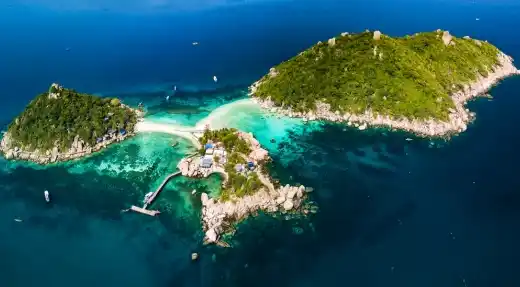
Koh Tao is popular for pro training because you get repetition — and repetition is where competence comes from.
You’re not just doing a few “special” dives. You’re building a routine:
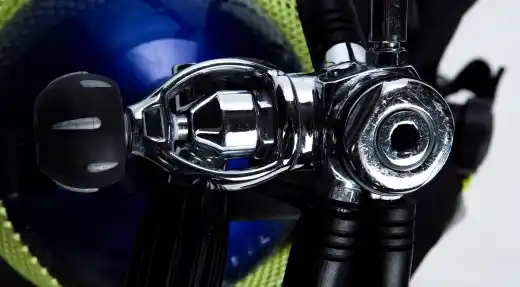
– setting up and checking equipment efficiently
– understanding boat flow and timing
– learning how different dive sites behave
– guiding groups with different confidence levels
– making good decisions when conditions aren’t perfect
If you choose the right programme, the island becomes a practical training ground — not an intense pressure cooker.
What you’ll do during Divemaster training
Most Divemaster programmes include four main parts:
1) Leadership practice (for real, not just theory)
You learn how to lead dives in a way that people actually enjoy:
– planning dives with purpose (route, depth, time, conditions)
– giving briefings that are clear and memorable
– setting a pace that suits the whole group
– staying aware of everyone, not just the strongest diver
– making calm choices mid-dive if something changes
2) Professional-level water skills (the calm kind)
This isn’t about showing off. It’s about being clean and controlled:
– buoyancy and trim that stays steady while you’re task-loaded
– slow, clear skill demos
– controlled ascents and safety stops
– problem prevention (and calm fixes when needed)
3) The “behind the scenes” reality
This is what turns you into a professional:
– equipment routines and standards
– timing and organisation (why it matters so much)
– how teams communicate on boats and in shops
– looking after guests properly so they feel safe and welcome
4) Knowledge that makes you feel grounded
You’ll cover the “why” behind diving:
– physics, physiology, decompression concepts
– equipment, risk management, environment
– good judgement and good habits
Most people don’t love theory at first — then later they realise it’s what makes them feel calm when something unexpected happens.
(If you’re doing the programme through SSI, it usually includes leadership training plus Science of Diving — but the aim stays the same: becoming a capable dive professional.)
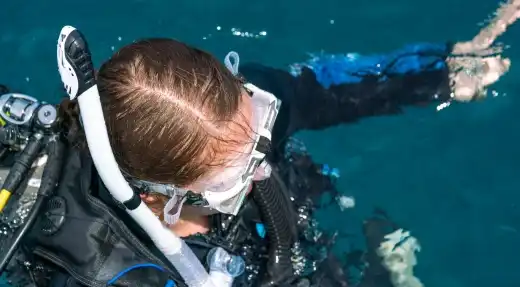
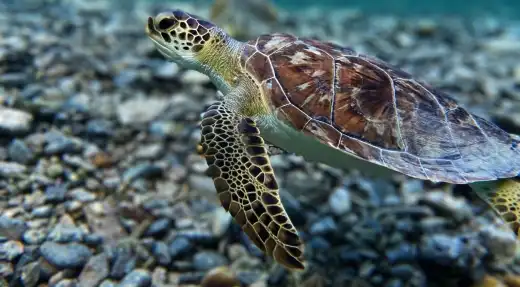
Divemaster training suits you if you:
– enjoy helping people (even quietly)
– want responsibility, not attention
– are happy repeating basics until they’re truly solid
– can take feedback without taking it personally
– stay calm when something small goes wrong
It’s not about being fearless. It’s about being steady.
What makes a Divemaster programme “good”
Don’t choose based on price alone. Choose based on how you’ll be coached.
Look for:
– a clear structure (so you know what you’re working on)
– real guiding practice, not just “watching”
– steady feedback on buoyancy and awareness
– a calm teaching environment
– mentors who don’t rush you just to push numbers through
You’re not just collecting dives — you’re building professional habits.
How long does it take?
It depends on your starting point and your pace:
– how many logged dives do you already have
– how often do you want to train
– whether you want an intensive track or a steadier rhythm
The best pace is the one where you improve consistently without burning out.
Quick FAQs
Do I need to be “amazing” already?
No. You need to be safe, willing, and coachable. You get “amazing” through repetition and good mentoring.
What if my buoyancy is good but not perfect?
Perfect. Divemaster is where you make it consistent under pressure.
Do I need to be super confident leading people?
No. You learn leadership by practising it with support — that’s the point.
© Echo Divers Koh Tao