
SSI Open Water Course in Koh Tao: What It’s Really Like
If you’re looking at the SSI Open Water Course, you’re probably feeling two things at once:
excited… and slightly nervous.
That’s normal. Most people don’t worry about the “studying” part — they worry about the real stuff:
breathing underwater, clearing a mask, feeling out of control, or holding everyone up.
So here’s the honest version of what the Open Water course is actually like — and why it’s much calmer than people imagine.
The quick answer
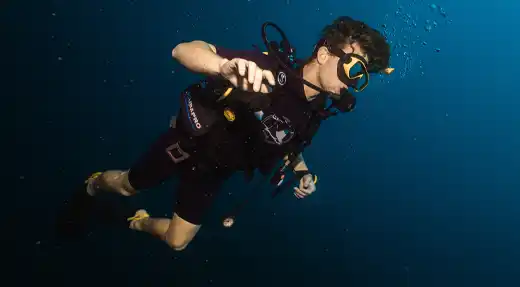
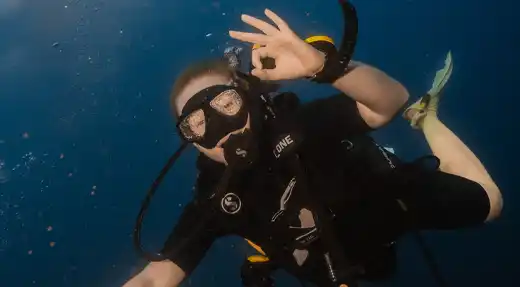
The SSI Open Water Course is a beginner certification that teaches you how to dive safely and confidently with a buddy.
You’ll do the theory (usually online), practise key skills step by step, then complete your open-water training dives.
By the end, you should feel like you’re diving, not just “getting through a course”.
The quick answer
What you’re really learning (it’s not “hard”, it’s new)
You’re not training to be an athlete. You’re training to be steady.
The course builds three things:
1) Comfort
Breathing underwater is weird for about five minutes… then it becomes surprisingly normal.
2) Control
Mask skills, equalising, buoyancy — these are the basics that stop diving feeling chaotic.
3) Good habits
Slow movements, clean buddy checks, calm decision-making. These are what make someone a safe diver.
The part most beginners don’t realise: you’re allowed to take your time
A lot of people think scuba courses are like exams.
They’re not.
If something feels awkward (mask clearing is the classic), we just break it down:
smaller steps, slower pace, repeat until it feels easy.
That’s the difference between leaving the course “certified” and leaving the course confident.
What a typical Open Water week feels like
Every centre runs it slightly differently, but a good Open Water course usually follows this rhythm:
Early days: learn the essentials without pressure
You’ll review the key theory and then do skills in shallow water with your instructor right beside you.
Most of the stress disappears here, because you realise:
• nothing happens suddenly
• you can stop and breathe any time
• the skills are designed to give you control
Middle days: real diving starts to feel… real
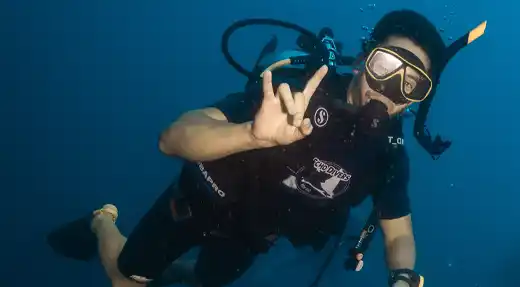
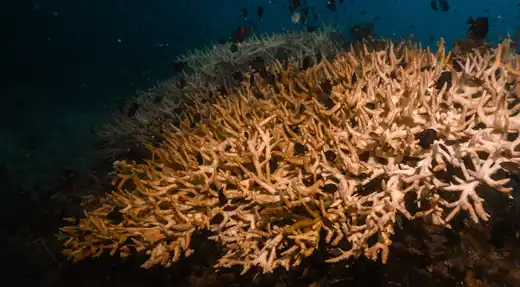
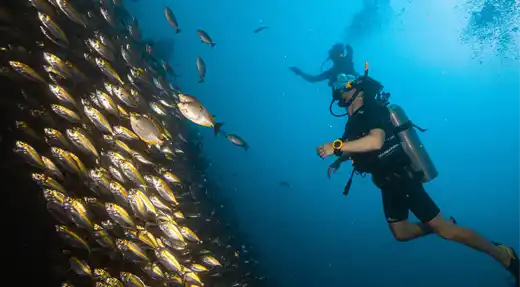
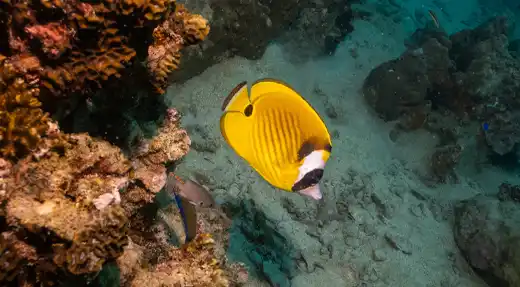
Once you’re comfortable, training dives stop feeling like “training” and start feeling like proper dives — with coral, fish, and that quiet underwater feeling people come for.
Final days: you’re not being “tested”, you’re being confirmed
The last dives are about showing you can dive safely and consistently — not about catching you out.
If you can:
breathe calmly, manage your buoyancy, communicate with your buddy, and handle simple problems,
you’re doing exactly what Open Water is meant to teach.
“What if I’m nervous?”
Then you’re normal.
Nerves usually come from one of these:
• not knowing what will happen
• feeling rushed
• worrying you’ll mess up
The fix is simple: clarity + pace.
Tell us you’re nervous, and we teach you in a way that keeps your brain relaxed.
When people feel supported, they learn faster — and enjoy it more.
Small things that make a big difference
• Sleep well the night before training days (fatigue makes everything harder)
• Hydrate (especially in the heat)
• Equalise early and often (tiny, frequent equalising is the secret)
• Don’t compare yourself (someone always looks “natural” — it means nothing)
How to choose the right Open Water course (this matters more than SSI vs PADI)
Before you book anywhere, ask:
• How many students per instructor?
• Do I keep the same instructor?
• What happens if I need extra time?
• Do you focus on buoyancy and comfort, or just ticking skills?
Those answers decide your experience.
© Echo Divers Koh Tao